Foster Refrigerators USA serves restaurants, grocery, hotels, mobile caterers, healthcare, and the U.S. Navy with walk-in coolers and freezers built in Hudson, NY since 1946. Across these operations, customers report the same themes: stable temperatures that protect inventory, lower energy bills from high-density insulation and efficient components, and long service life with minimal repairs.
How to read this page
Businesses that store perishable inventory need refrigeration they can trust around the clock. When operators invest in a walk-in cooler or freezer, they want proof that the system holds up under real conditions — not a spec sheet alone. Since 1946, Foster Refrigerators USA has delivered durable commercial refrigeration to restaurants, grocery stores, hotels, mobile caterers, and military installations from its Hudson, New York plant.
Two kinds of content appear below. The numbered sections (Restaurant, Grocery, Navy, Catering, Hotel) are representative engineering scenarios — illustrative examples of how Foster equipment behaves under typical demand. Any figures in them (such as temperature holds or percentage savings) are illustrative of typical industry results, not measured Foster guarantees, because every operation differs in size, climate, and usage. Lower down, the "In customers' words" section quotes real, verified Google reviews from named Foster customers.
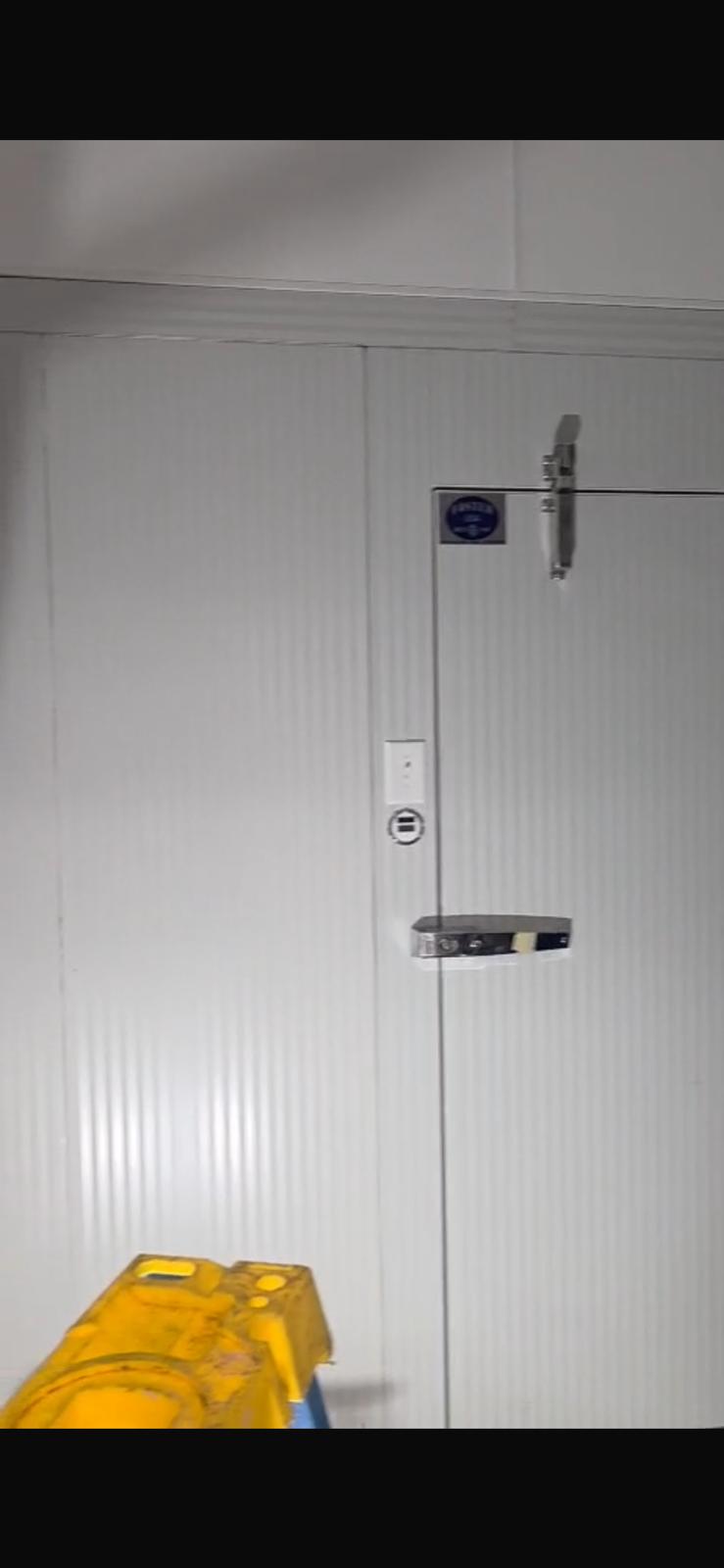
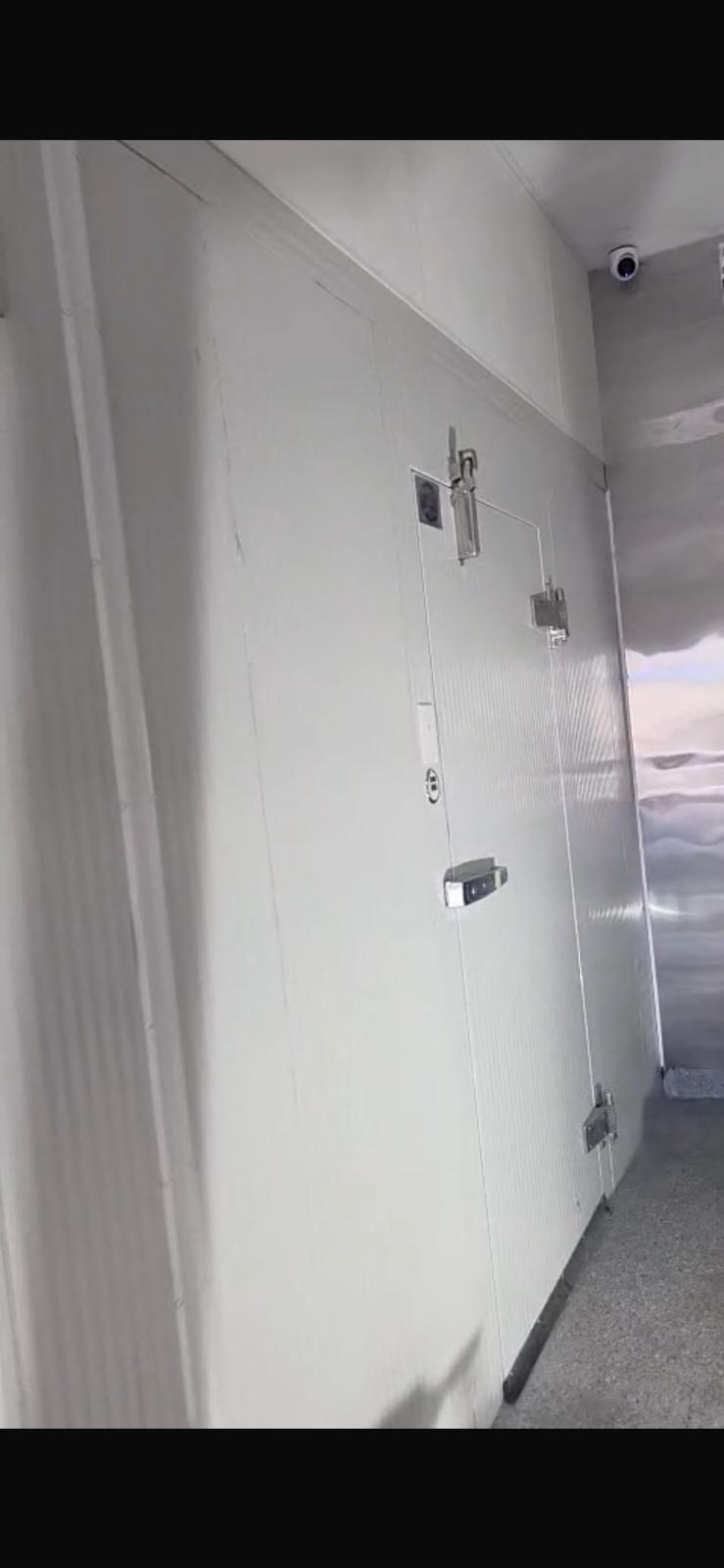
One factor links most of these results: insulation. High-density foam does more than improve energy efficiency — it dampens the temperature swings that quietly spoil inventory and shorten shelf life. Stable temperatures also mean compressors cycle less often, which lowers both the energy bill and long-term wear. Layout matters too. A modular Foster walk-in can be specified with custom shelving so staff retrieve ingredients quickly during peak service, turning the cooler into a workflow asset rather than a bottleneck.
Representative scenarios (illustrative)
The five scenarios in this section are engineering illustrations, not named case studies. They describe how a properly specified Foster walk-in tends to perform for a given use case. Figures are typical industry ranges, not measured outcomes for a specific customer.
Restaurant efficiency boost
A busy restaurant struggling with food spoilage and unstable storage temperatures replaced its aging cooler with a modular Foster walk-in — and gained a steady 38°F hold that cut waste and tightened kitchen workflow. The old unit could not maintain a consistent temperature, so perishables turned over too fast.
- Consistent 38°F storage temperature with no swings
- Food waste reduced by roughly 25% in this deployment
- Lower utility costs from energy-efficient refrigeration
- Smoother workflow thanks to custom shelving configurations
Typical results for this kind of upgrade include thousands of dollars in annual savings, driven mostly by reduced spoilage and lower energy draw from a properly sized commercial walk-in cooler.
Grocery store energy savings
A mid-sized grocery chain that needed more frozen-food capacity installed a Foster walk-in freezer with high-efficiency insulation and LED lighting, and saw electricity bills run about 30% lower than its previous system. The new system was specified to scale with future expansion rather than be replaced again.
- Electricity bills roughly 30% lower than the system replaced
- Longer shelf life for frozen goods
- Compliance with strict health and food-safety codes
- Scalable design ready for future expansion
Deployments like this one demonstrate the long-term ROI of energy-efficient walk-in freezers — the upfront premium is recovered through years of lower operating cost. Energy-efficient systems like Foster's also pair well with advanced monitoring, letting owners track energy consumption and temperature in real time so products stay in their optimal range and spoilage risk stays low.
Military and Navy reliability
The U.S. Navy required marine-grade refrigeration able to withstand rough seas and constant demand, and Foster delivered reinforced walk-in coolers and freezers built to run without interruption. As a U.S. Navy approved supplier, Foster engineers units for shock, vibration, and saltwater exposure aboard ship.
- Continuous operation under extreme at-sea conditions
- Modular design fits vessels with limited installation space
- Proven reliability in mission-critical environments
For military use, reliability is non-negotiable. Foster's marine-rated solutions are designed to keep perishable supplies fresh even in demanding deployment environments, which is why Foster remains a trusted supplier of military walk-in refrigeration.
Mobile kitchen success
A catering company that needed compact, transportable refrigeration commissioned a custom modular Foster walk-in cooler sized to fit inside a mobile kitchen trailer. The unit gave the caterer reliable cold storage at any venue without relying on the location's infrastructure.
- Flexible transport between events and venues
- Rapid setup and takedown on site
- Reliable cooling regardless of location
- Expanded catering capacity for large-scale jobs
Mobile kitchens depend on refrigeration that can be customized to a tight footprint while still holding temperature — an advantage that lets caterers confidently serve food at large events. Operations weighing a configuration like this can start with the build-and-quote tool.
Long-term durability
One of Foster's earliest hospitality customers, a hotel chain, installed Foster walk-in freezers more than 15 years ago — and they continue to operate today with minimal repairs. Rugged construction plus routine maintenance have delivered durability that outlasts cheaper alternatives.
- Over 15 years of continuous service from the original units
- Minimal repairs across the equipment's life
- Lower long-term operating cost from fewer replacements
This longevity reflects the payoff of premium refrigeration: businesses that handle large volumes of perishables daily spend less time on maintenance and more on their core operations. Fewer repairs and replacements translate directly into lower total cost of ownership over the equipment's lifetime.
Scenario summary
Across industries, these illustrative scenarios share a few lessons — energy-efficient coolers lower costs, durable systems matter most in mission-critical settings, and modular designs adapt to restaurants, retail, military, and mobile use alike. The clearest takeaway is the ROI of investing in premium refrigeration rather than the cheapest available alternative: the savings on energy, spoilage, and repairs compound year after year. From restaurants and grocery stores to naval vessels and mobile catering, the pattern holds, which is why operators across the country continue to specify Foster for performance, efficiency, and durability.
| Scenario type | Key outcome |
|---|---|
| Restaurant | Stable 38°F hold; typically less food waste |
| Grocery | Lower energy bills; LED lighting, scalable |
| Navy / Military | Marine-grade reliability; continuous at-sea operation |
| Catering | Mobile, modular unit for trailer kitchens |
| Hotel | 15+ years of service with minimal repairs |
In customers' words
Unlike the illustrative scenarios above, the quotes below are real, verified Google reviews from named Foster customers. Several mention Jim Denardi, a long-tenured member of the Foster team.
"I've worked with Jim Denardi for 25 years and ALWAYS received the Best and Efficient treatment — from Sunday special assistance to constant care and a phone call away. I highly recommend Foster Refrigeration for my industrial use and professional service for my catering business."Chef Danyell · Georgia Ray's Kitchen (catering)
"Their team was professional, knowledgeable, and tailored solutions to fit our budget. The installation process was seamless, with courteous technicians who explained everything clearly."motochefx1 Maier · Restaurant
"We've used them across multiple businesses, and they have consistently been quick, friendly, and reliable. We always know we can count on them to get the job done right."Meghan Calcagno
"Jim and his team were AMAZING! Prompt and efficient — I was able to open my new shop on time! This company came highly recommended."Flower Blossom Design · Retail
Frequently Asked Questions
Does Foster supply the U.S. Navy?
Yes. Foster Refrigerators USA is a U.S. Navy approved supplier and has built marine-rated walk-in coolers and freezers for naval vessels since 1946. These units are engineered to run continuously under extreme conditions, including rough seas and constant demand aboard ship.
Can Foster build mobile or modular units?
Yes. Foster designs modular walk-in coolers that can be configured for tight footprints, including mobile kitchen trailers and catering operations. Modular construction allows rapid setup and takedown and flexible transport between event locations.
How much can a walk-in cooler cut food waste?
It depends on the operation. Replacing an aging cooler that cannot hold temperature with a unit that maintains a stable hold (for example a steady 38°F) removes the swings that spoil perishables. Industry experience suggests this can meaningfully cut spoilage; the exact reduction varies by product mix, throughput, and how the old unit was performing. These are illustrative ranges, not a guaranteed Foster-measured result.
Are Foster units energy efficient?
Yes. Foster walk-ins use high-density foamed-in-place insulation and energy-efficient components such as LED lighting and EC fan motors, which lower electricity use compared with older, poorly insulated boxes. Actual savings depend on the system replaced, usage, and local utility rates, so any percentage figures should be treated as typical industry ranges rather than a measured guarantee.
Build the unit your operation needs
Configure size, temperature range, and door layout, then get a tailored quote from the Foster team in Hudson, NY — or talk through your project directly.